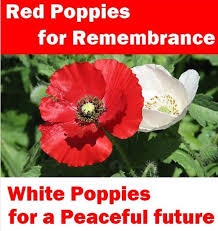
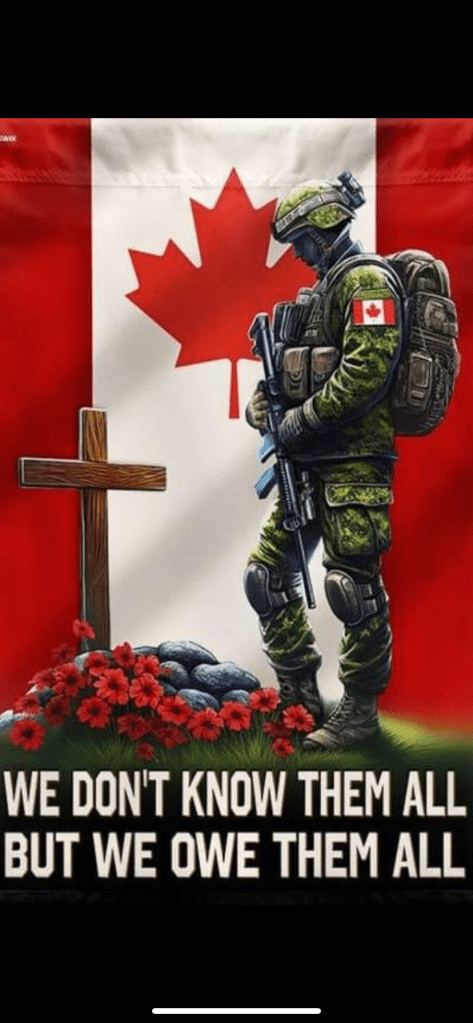
This is one day that we all set aside to remember the ones who have served, the ones who are still serving and those who will serve in the future.
For as far back as I can remember, we have worn red poppies to commemorate the memory of our fallen heroes, but this year especially I have been seeing more posts about white poppies and what they signify.
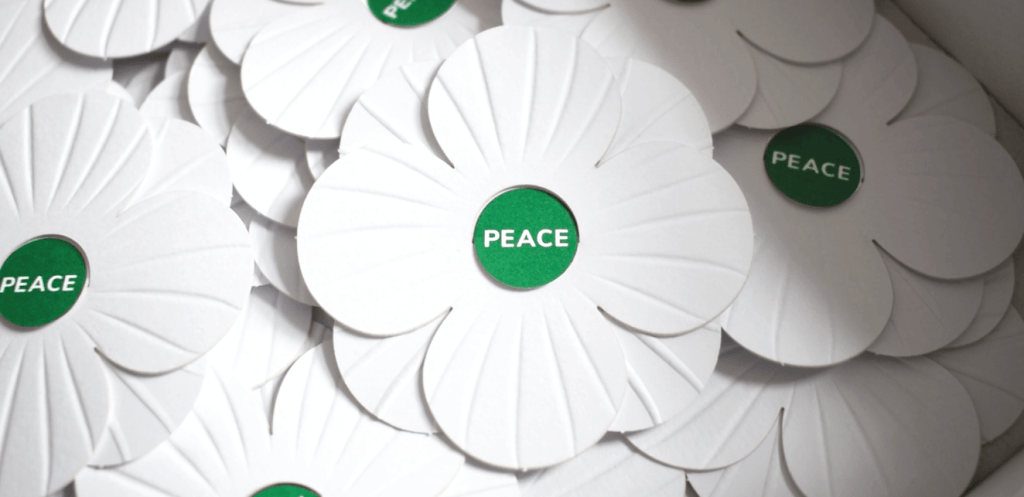
The white poppy has been worn in the run-up to Remembrance Day for over ninety years, as a symbol of remembrance and peace.
White poppies are worn every year by thousands of people across the UK and beyond. They were first produced in 1933 in the aftermath of the First World War, by members of the Co-operative Women’s Guild. Many of these women had lost family and friends in the First World War. They wanted to hold on to the key message of Remembrance Day, ‘never again’.
White poppies stand for three things.

Remembrance of all victims of war, including both civilians and members of the armed forces. We remember people of all nationalities. We remember those killed in wars happening now, as well as in the past. We also remember those who are often excluded from the mainstream, such as refugees and victims of colonial conflicts.

Challenging war and militarism, as well as any attempt to glorify or celebrate war. White poppies encourage us to question the way war is normalised and justified. They remind us of the need to resist war and its causes today.

A commitment to peace and to seeking nonviolent solutions to conflict. By drawing attention to the devastating human cost of war, white poppies highlight the urgency of our ongoing struggle for peace.
With all of the conflict in the world let’s hope we can soon see some peace and an end to some of the war and conflict.